Why Two Events With the Same Budget Can Look Completely Different
Space, flower choice, and scope shape the final result more than the dollar amount itself.
Why Space, Flower Choice, and Scope Shape the Final Result
It is common to assume that a specific floral budget produces a predictable result. In practice, budget defines the parameters, not the outcome. What happens within those parameters depends on several factors that vary from event to event.
The Role of the Space
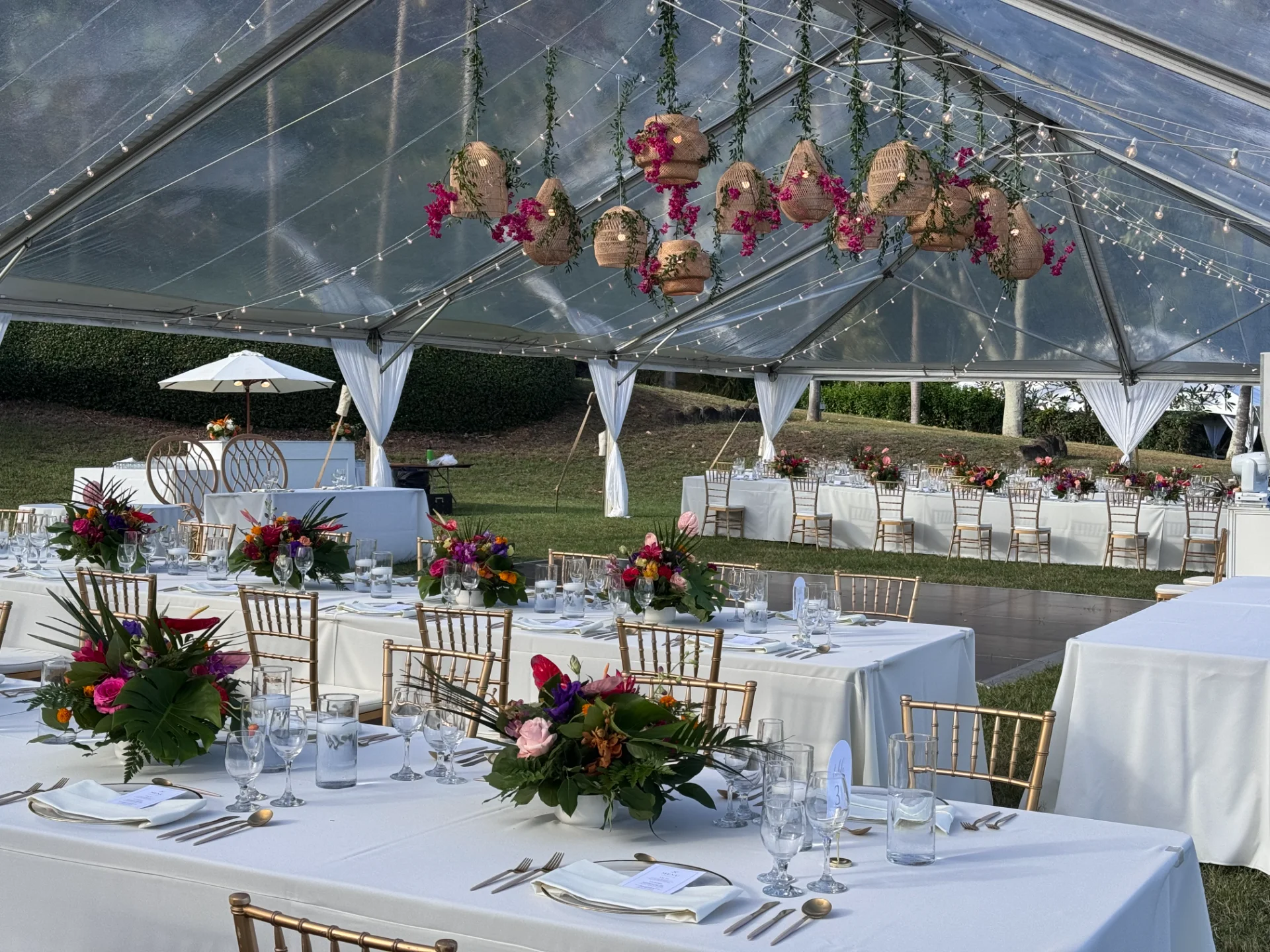
The venue plays a major role in how florals read. Smaller or more defined spaces naturally concentrate visual impact. Florals placed in key areas feel more present because the room itself provides structure. In larger or more open spaces, the same budget may be used to establish balance rather than density. The objective shifts from creating a focal point to making the space feel cohesive.
Vision and Flower Selection
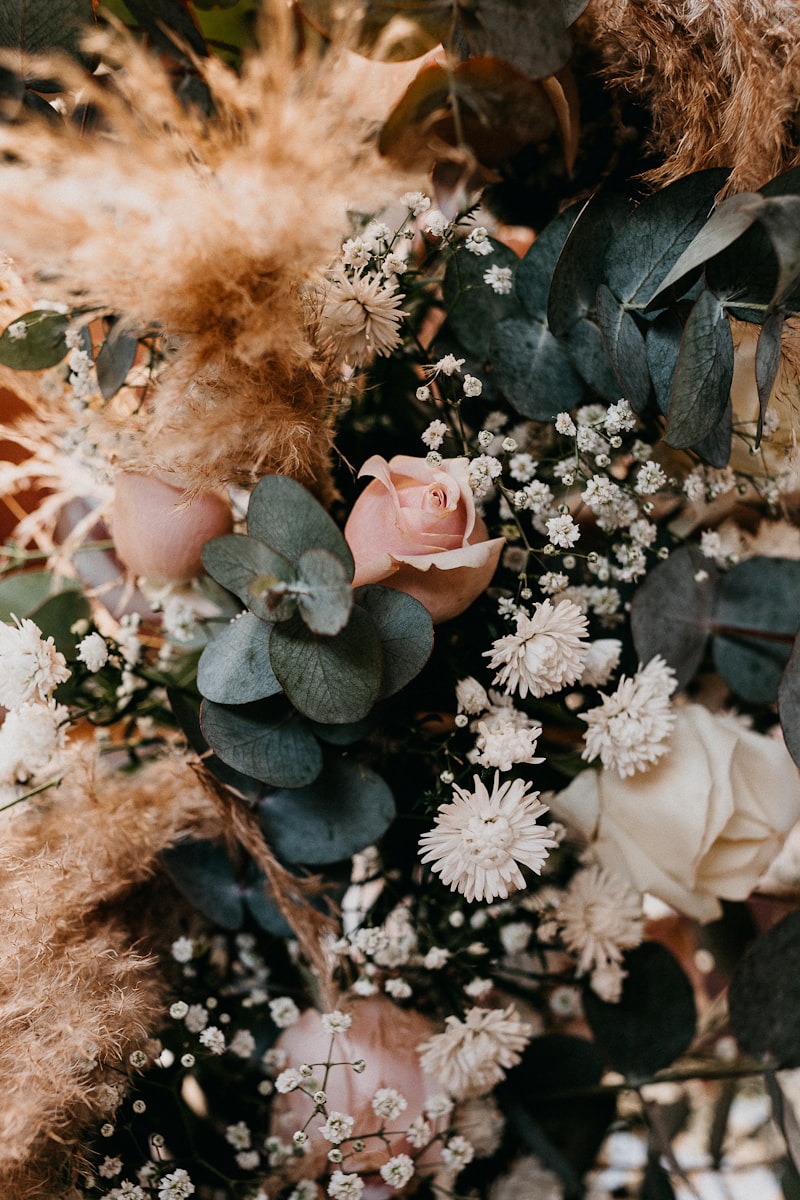
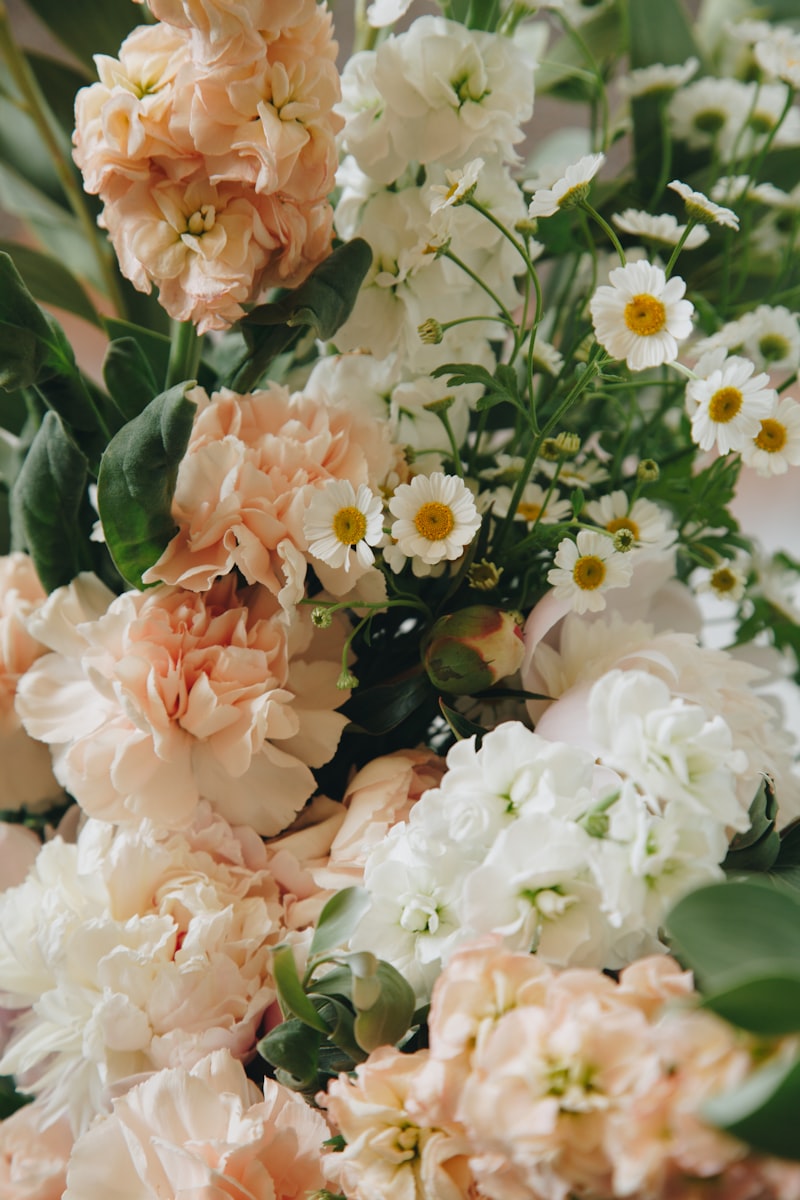
Design vision also affects how a budget is allocated. Certain flowers, palettes, and textures carry higher material costs, even when the overall look appears minimal.
For example, anthuriums typically cost two to three times more per stem than a standard rose. A design built around sculptural blooms, specialty imports, or refined finishes may use fewer stems overall, while a larger portion of the budget goes toward materials. Another design using more readily available flowers may appear fuller at the same budget, even though the level of planning and installation remains comparable.
Neither approach is inherently better. They simply reflect different design priorities.
Why “More Green” Does Not Equate to Less Cost
It is often assumed that substituting greenery for flowers will significantly reduce cost. In reality, that is not always the case.
Many types of greenery are priced by the bunch and require substantial volume to achieve scale. Increasing foliage often raises stem count, which affects sourcing, conditioning, and installation time. In some designs, using more greenery increases labor without meaningfully reducing material cost.
Greenery-forward designs also require structure. Long garlands, large installations, and dense foliage work often rely on additional mechanics to maintain shape and coverage. That construction work adds time and complexity.
Additionally, not all greenery is inexpensive. Availability, seasonality, and sourcing all influence cost. A design that reads as simple or foliage-heavy may still rely on premium materials and careful handling.
Scope and Responsibility
Floral plans do not all carry the same responsibilities. Some florals are primarily decorative. Others define ceremony spaces, guide movement, or create transitions between areas. When florals are responsible for more, the budget must support additional planning, coordination, and on-site execution.
Installation and Labor
Installation is often unseen, but it directly affects outcomes. Certain designs require larger teams, specialized equipment, or extended install windows. These requirements influence how the budget is used, even when the finished look appears restrained. Simplicity in appearance often reflects precision in preparation.
Timing and Duration
Duration also matters. Florals designed for brief moments have different requirements than those expected to hold throughout an event. Flower selection, construction methods, and placement decisions change when longevity is a priority, shaping the final result.
Conditions and Environment
Environmental factors such as temperature, airflow, and exposure influence design choices. Florals that must perform under challenging conditions require additional consideration and planning to ensure consistency over time.
Why Comparisons Fall Short
Because each event presents a unique combination of space, vision, flower selection, greenery use, scope, timing, and conditions, comparing outcomes based on budget alone is rarely useful. One event may appear fuller. Another may feel cleaner or more restrained. Both can be appropriate responses to different requirements.
The role of floral design is not to produce a standard result at a given price point. It is to align available resources with the demands of the space, the design vision, and the experience being created.
That is why two events with the same budget can, and often should, look completely different.
Floral design is not about matching a look to a number. It is about understanding how a space functions, what the florals are responsible for, and how design decisions affect both performance and experience. When those factors are considered together, the result is not uniformity, but intention. That is why thoughtful floral work looks different from event to event, even at the same budget.
Ready to Begin?
Inquire About Your Wedding